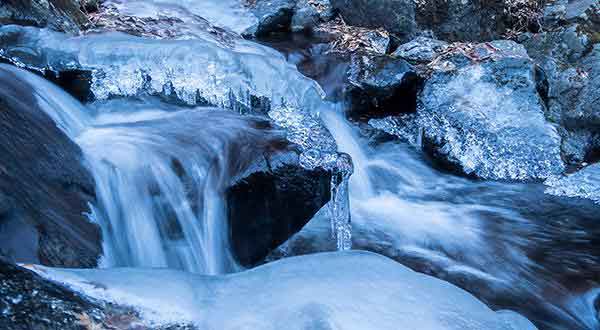
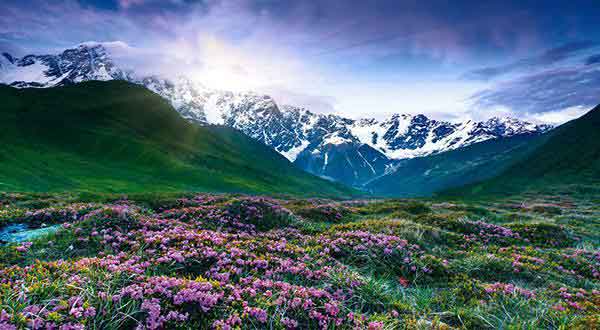
Clear morning light falls across pale stone, glass catches a quiet reflection, and three fragrances reveal distinctly different forms of presence. This is where the difference between Extrait de Parfum, Eau de Parfum and Eau de Toilette becomes tangible.
In brief: The three terms differ primarily in the concentration of the fragrance compound within the finished formula. Concentration changes more than intensity. It may influence how quickly a scent opens, which facets come forward, how close or expansive its aura feels, and how it develops on skin. A higher concentration therefore does not simply mean the same fragrance turned up louder.
What do Extrait de Parfum, Eau de Parfum and Eau de Toilette mean?
These terms place alcohol-based fragrances within commonly used concentration ranges. They are useful guidelines, not internationally binding quality grades. The International Fragrance Association (IFRA) gives the following typical industry ranges:
Eau de Toilette: usually 5–15% fragrance concentration
Eau de Parfum: usually 10–20% fragrance concentration
Extrait de Parfum: usually 15–40% fragrance concentration
The ranges intentionally overlap. An Eau de Toilette at the upper end may sit close to an Eau de Parfum; one house's Eau de Parfum can be more concentrated than another house's Extrait. The complete formula matters more than the label alone.
An Eau de Toilette
An Eau de Toilette is often composed to make the opening feel clear, lively and immediate. Citrus, green or aromatic notes can rise with striking presence as the alcohol evaporates. This does not mean every Eau de Toilette is fleeting or quiet. A confident composition can project beautifully while retaining transparency and movement.
An Eau de Parfum
An Eau de Parfum often gives heart and base notes more room. Floral, spicy, woody, amber or musk facets may feel rounder and unfold for longer. Many wearers experience Eau de Parfum as a versatile balance of presence, depth and ease. The term still denotes a concentration family rather than one fixed olfactory character.
An Extrait de Parfum
An Extrait de Parfum usually contains a particularly high proportion of fragrance compound. It may feel denser, more textured or closer to the skin, with base notes unfolding at an unhurried pace. Some extraits project widely; others create a concentrated personal aura. Extrait is a distinct form of perfumery, not merely the loudest category.
Is Extrait de Parfum automatically stronger than Eau de Parfum?
An Extrait de Parfum is typically more concentrated than an Eau de Parfum, yet perceived strength depends on the amount applied, the choice, proportion and volatility of the ingredients, and the way the composition interacts with skin and environment. A bright Eau de Toilette built around radiant citrus or highly diffusive molecules may feel stronger at first than a soft Extrait. The Extrait may remain denser and perceptible closer to the skin for longer. Projection, sillage and longevity are related, but they are not the same quality.
What does fragrance concentration change in practice?
The opening
Alcohol evaporates quickly and carries volatile fragrance ingredients into the air. An Eau de Toilette may therefore reveal a particularly luminous top note, like clear morning light entering an alpine interior. A higher concentration can make the opening feel more compact or smooth, although it does not have to slow it down.
The development
As evaporation progresses, the heart and base become clearer. In an Eau de Parfum or Extrait, floral, spicy, woody, musky or amber facets may carry greater weight. This depends on the recipe: perfumers often rebalance notes or use different fragrance ingredients when creating separate concentration versions.
Presence and sillage
More concentrate does not automatically create a larger scent cloud. Some molecules diffuse widely at low doses; others feel rich and persistent while remaining close to the body. An Eau de Toilette can be highly noticeable, while an Extrait may rest on skin like finely tailored fabric: substantial, yet restrained.
The wearing experience
A lighter concentration may feel airy, spontaneous and refreshing. An Eau de Parfum is often experienced as balanced and enveloping. An Extrait can feel dense and enveloping or reveal a quiet presence close to the skin. The effect depends on the composition as a whole. These are creative possibilities, not rigid rules.
Why can an Eau de Toilette feel so present?
Perception is shaped by more than the amount of fragrance compound. Citrus and aromatic fragrance ingredients can lift quickly; modern aroma molecules can be highly diffusive; warmth increases evaporation. Spray count, clothing, air movement and distance also affect how a fragrance is perceived.
2828 m · Pirchkogel · Eau de Toilette by ACQUA ALPES. A clear morning, citrus light across pale stone and the quiet of a hotel terrace above the valley set its mood. Mandarin, bergamot, orange and lemon open luminously; jasmine and basil give the heart a floral, green contour; sandalwood, cedarwood and pinewood create a calm finish. 2828 shows how a precise composition can develop vivid presence without relying on concentration alone.
Which concentration suits which preference?
For clarity and a vivid opening
Choose an Eau de Toilette when you appreciate transparent freshness, movement and a clearly perceptible opening. It often suits daytime, warmer conditions and occasions where a scent should feel light yet polished.
For balance and versatile depth
An Eau de Parfum often suits those looking for a fragrance that can accompany different moments without committing to one style. 3770 m · Wildspitze · Eau de Parfum by ACQUA ALPES. Dusk over dark stone and the composed atmosphere of a formal evening define its mood. Red pepper, cinnamon and labdanum open with spice; black pepper and dark honey lead to oud, Ambroxan and silver musk. Its presence emerges from composition and concentration together.
For texture, density and a distinctive aura
An Extrait de Parfum may suit you when you prefer a concentrated interpretation, a pronounced base or a deliberate evening and occasion scent. Begin with a restrained application and observe its full development.
Concentrations in the current ACQUA ALPES collection
All three concentration categories are also represented in the ACQUA ALPES perfume collection.
Extrait de Parfum, 50 ml: 4478 m · Matterhorn and 4634 m · Dufourspitze
Eau de Parfum, 50 ml and 100 ml: 2221 m · Seefelder Spitze, 2334 m · Hafelekar, 2558 m · Kreuzjoch, 2677 m · Glungezer, 3770 m · Wildspitze, Oud 3007 m · Acherkogel and Oud 3333 m · Schaufelspitze
Eau de Toilette, 50 ml and 100 ml: 2828 m · Pirchkogel
The ACQUA ALPES 4000 Extrait Collection translates iconic four-thousand-metre summits into particularly concentrated perfumery. 4478 m · Matterhorn · Extrait de Parfum evokes an early morning in Zermatt: mist behind the silhouette, cool air and a dry aromatic contour. Bergamot and blackcurrant open the fragrance, accompanied by a mountain salt accord. Rosemary and a hint of caraway give it aromatic definition; Turkish rose and jasmine add floral softness. Cedarwood, musk and patchouli form the woody base. 4634 m · Dufourspitze · Extrait de Parfum reflects the first rose-coloured light over the Monte Rosa massif. Mango, davana and rock salt meet peach and osmanthus; ambrette, patchouli and ambergris bring a silky warmth. Both Extraits are available in 50 ml.
These examples show why concentration should not be read as three volume settings. 2828 m · Pirchkogel, 3770 m · Wildspitze and 4478 m · Matterhorn are distinct olfactory architectures: citrus-aromatic and clear, spicy-woody and assertive, or aromatic-floral with a mineral contour.
Why should you always test fragrance on your own skin?
A fragrance develops differently on blotter, fabric and skin. Skin temperature and moisture, individual skin condition, ambient temperature and dosage influence evaporation and perception. The nose also adapts over time, even while other people can still perceive the scent.
Test a composition without haste: notice the opening, return for the heart, and allow the base to emerge. Do not decide from the first few minutes alone. ACQUA ALPES fragrance samples make it possible to experience a scent for a complete day in your own environment.
The essential rule: judge the composition, not only the label
Concentration is a valuable first clue. It cannot by itself predict whether a fragrance will feel fresh or dark, discreet or expansive, brief or enduring. A compelling perfume is created by the balance of concentration, fragrance ingredients, molecules, proportions and the wearer's skin.
Do not automatically choose the highest concentration. Choose the interpretation that fits your style. As in a cultivated Alpine interior, atmosphere is never created by one material alone, but by the balance of light, space, texture and precisely placed detail. Concentration is not a hierarchy; it is a question of mood—from clear morning light on pale stone to a quiet evening warmed by wood.
Frequently asked questions about perfume concentration
What is the main difference between Eau de Parfum and Eau de Toilette?
An Eau de Parfum usually contains more fragrance compound. Formula, highlighted notes, development and wearing experience may also differ, so an Eau de Parfum is not simply a stronger Eau de Toilette.
Does Extrait de Parfum always last longer?
An Extrait is typically highly concentrated and may remain perceptible for a long time. There is no universal guarantee: fragrance ingredients, formula, skin, temperature and dosage all contribute. Fixed hour claims are therefore unreliable.
Is Eau de Toilette only for summer?
No. Its transparent or vivid character can feel especially pleasant in warmth, but Eau de Toilette is not limited to one season. Fragrance family, composition and personal style matter more.
Which concentration is the highest quality?
No concentration is automatically superior. Quality lies in the idea, fragrance ingredients, balance and execution. An exceptional Eau de Toilette can be as artistically accomplished as an Extrait de Parfum.